
Whether it is an inverter battery, car battery, or any other type of battery, proper care and maintenance can help improve battery performance and lifespan. The article shares several useful tips related to battery maintenance, charging, cleaning, usage, and storage.
Contents
Proper Battery Maintenance
The first important point is regular maintenance. Every battery needs proper maintenance from time to time. This includes cleaning and checking the battery regularly. Proper maintenance helps keep the battery in good condition and improves its lifespan.
Buy a Good Quality Battery
When purchasing a battery, always choose a good quality battery from a trusted brand. Many people buy cheap local batteries from the market, but these batteries often contain recycled or old materials. Because of this, their lifespan becomes shorter.
Good brands usually provide warranties of up to five years, which shows better quality and reliability. Buying a high-quality battery helps increase battery life.
Clean the Battery Regularly
Battery cleaning is also very important. Dust and dirt often collect on inverter batteries at home. The battery should be cleaned at least once every two to four months.
Regular cleaning prevents dust from entering the battery and helps maintain battery performance and life.
Clean Battery Terminals Properly
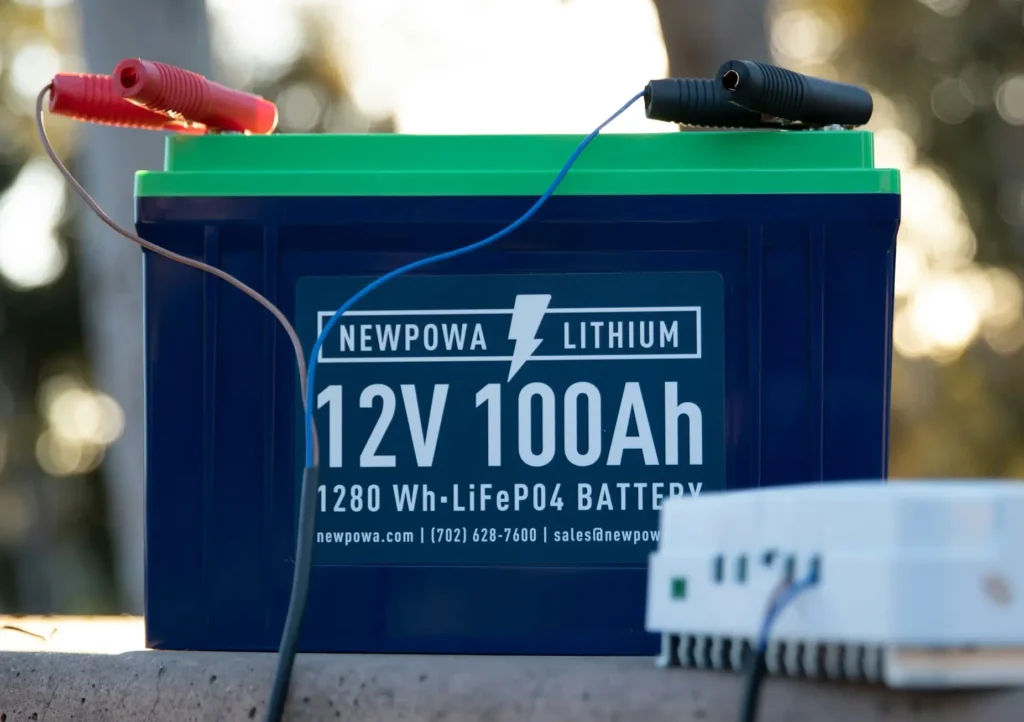
Battery terminals can collect carbon deposits over time. The wires connected to the terminals should be removed, and the terminals should be cleaned properly.
Warm water can be used for cleaning the battery and terminals. After removing the carbon, reconnect the wires and tighten the nuts and bolts properly. After that, apply petroleum jelly on the terminals to prevent carbon buildup again.
Many people use grease instead of petroleum jelly. Although grease can protect terminals from corrosion, it also attracts dust and dirt. After some time, the grease loses its properties and hardens around the terminals. Petroleum jelly is a better option because it avoids this issue.
Keep the Battery in a Cool and Dry Place
The place where the battery is kept should be cool and dry. There should not be any water or liquid nearby. The temperature of the area should also remain low.
Direct sunlight should be avoided because heat can damage the internal plates of the battery, reducing battery life. Batteries should always be kept in a cool and shaded area.
Use the Battery Regularly
The battery should be used regularly so that its charging cycles remain active. If the battery is not being used regularly, it should be stored safely and fully charged at least once every two or three months.
This prevents the battery from going into deep discharge condition and helps maintain battery life.
If the battery is left unused without charging for a long time, it may become deeply discharged, which reduces its lifespan.
Maintain Battery Gravity
Battery gravity should also be maintained properly. A hydrometer can be purchased from the market to check battery gravity easily.
If the gravity level becomes low, the battery should be charged properly. If only one cell has lower gravity while the others remain normal, that cell may have become weak.
In such a condition, water from the cells with proper gravity can be added in small amounts to the weaker cell. After that, the battery should be charged properly.
Avoid Deep Discharge
If there has been no electricity for a long time and the inverter shuts down because the battery becomes fully discharged, the inverter should not be turned on again after a short time.
Many people wait for 10 to 30 minutes and turn the inverter back on because the battery collects a small reserve charge. However, doing this can deeply discharge the battery and damage it permanently.
Even if the battery later shows full charge, it may only provide backup for a short time. In such cases, the battery may require charging through an external charger to recover properly.
The inverter should not be turned on again until the battery becomes fully charged.
Avoid Overcharging
Batteries should never be overcharged. Modern inverters usually have an automatic cut-off feature that stops charging when the battery becomes fully charged.
However, older inverters or external chargers may not have this feature. In such cases, extra care is needed to prevent overcharging.
Overcharging damages the battery plates and reduces battery life significantly.
Do Not Charge with High Current
The battery should never be charged with very high current. The charging current should remain around 10% to 15% of the battery rating.
For example, if a battery is rated at 150Ah, the charging current should generally remain between 15 to 20 amperes.
Charging with higher current can damage the battery and reduce its lifespan quickly.
Conclusion
Proper maintenance, regular cleaning, correct charging practices, and safe storage are very important for increasing battery life. Using a good quality battery and avoiding mistakes like overcharging or deep discharge can help improve battery performance for a longer time. Following these simple tips can keep the inverter and other batteries working efficiently.
FAQs
How often should an inverter battery be cleaned?
The battery should be cleaned at least once every two to four months to remove dust and dirt.
Why is petroleum jelly better than grease on battery terminals?
Petroleum jelly helps prevent carbon buildup without attracting excessive dust and dirt like grease does.
Can direct sunlight damage a battery?
Yes, direct sunlight and high temperatures can damage the internal battery plates and reduce battery life.
What happens if a battery becomes deeply discharged?
Deep discharge can permanently reduce battery backup and battery life.
What charging current is suitable for a 150Ah battery?
A charging current of around 15 to 20 amperes is considered suitable for a 150Ah battery.