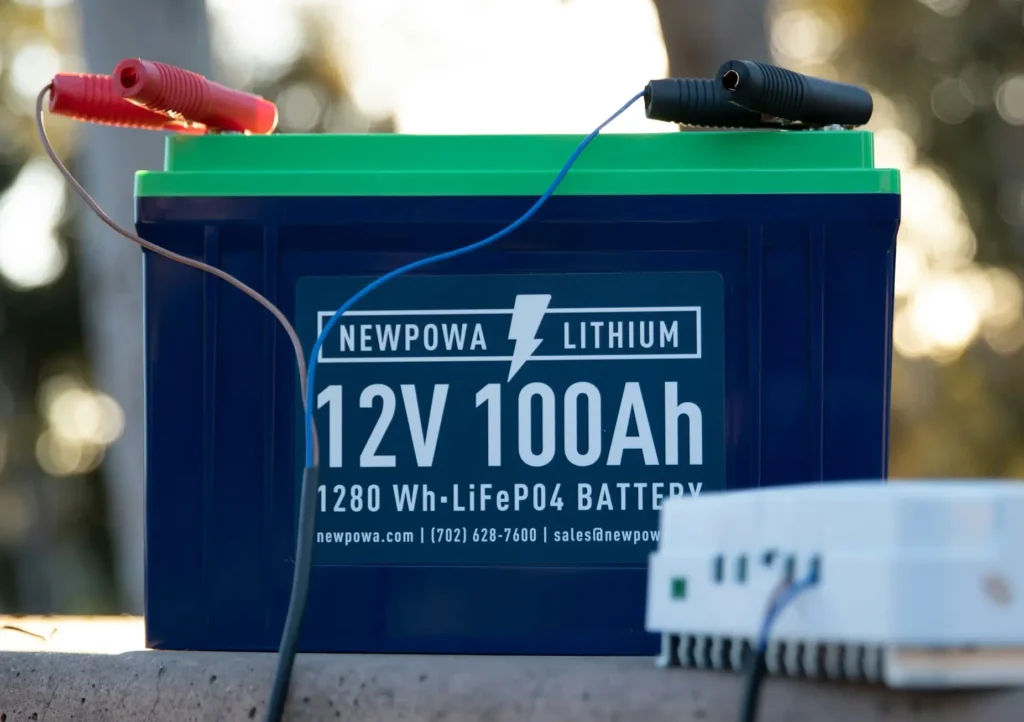
DC to AC converters, commonly known as inverters, are widely used for running household appliances during power shortages. These converters are available in different capacities such as 2000W, 3000W, 4000W, and 5000W.
This article explains how much load should actually be used on these converters, how to reduce faults, which appliances can run on them, and the latest market prices. The discussion is based on personal experience and practical usage tips to increase inverter life and avoid expensive repairs.
Contents
Understanding the Actual Load Capacity of Inverters
Many people believe that if an inverter is labeled as 2000W, 3000W, 4000W, or 5000W, then the full written load can safely be used.
Normally, solar inverters with capacities like 2KW, 4KW, 6KW, or 10KW work best when only 80% load is used. This helps improve their life and reduces faults.
However, these DC to AC converters should be used differently. Instead of using 80% of the written wattage, only 20% should be used for better performance and longer life.
For example:
- A 1000W converter should only be used with around 200W load.
- A 4000W converter should only handle around 800W load.
- A 5000W converter should only handle around 1000W load.
Using lower load helps prevent overheating and reduces the chances of faults.
Why Lower Load Improves Inverter Life
Using heavy load on these converters is the main reason for damage.
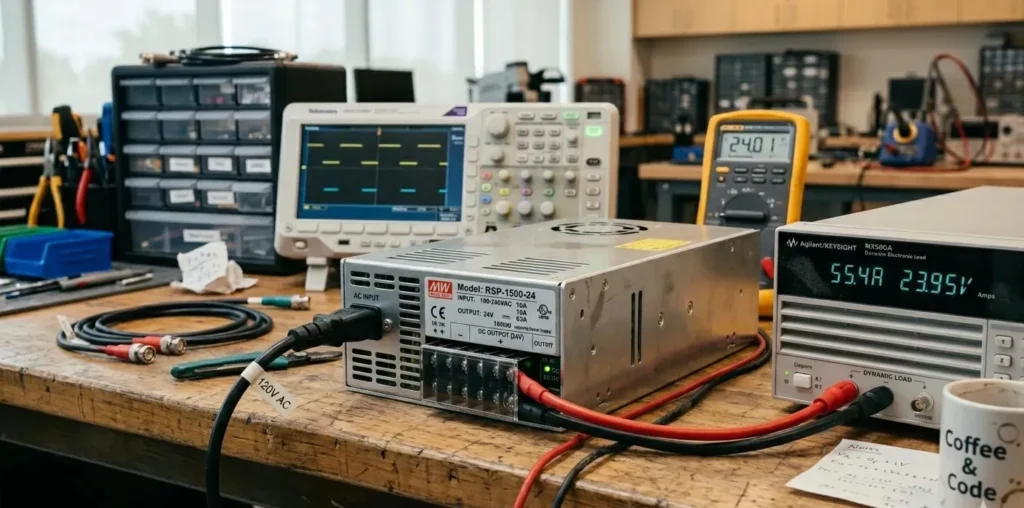
Most market converters do not include proper protection systems or overload safety features. When users apply excessive load, the converter tries to continue running the appliances, causing the MOSFETs inside to heat up and eventually fail.
For example, if someone uses a 2000W converter and places a 1000W load on it, the converter may overheat because it lacks overload protection.
To keep the inverter running for a long time with fewer faults, only light load should be used according to the 20% formula.
Also Read: How to Increase Inverter Battery Life – Complete Battery Care Guide
Appliances That Can Run on DC to AC Converters
Different household appliances can be operated using these converters, depending on the wattage.
- Juicer blender machines
- Washing machines
- Grinder machines
- Drill machines
- Refrigerators
- Half HP water pumps
- One HP water pumps
- Electric irons
Before using any appliance, users should first check the wattage of the appliance and then select the converter accordingly.
For example, if you want to run a 1000W electric iron, then a 5000W converter is recommended because its safe usable load is around 1000W.
For refrigerators, a 4000W or 5000W converter is suggested.
For smaller appliances like washing machines, a 3000W converter may also work.
And higher wattage converters experience less load stress, which reduces the chances of faults.
Overload Problems in DC to AC Converters
One of the biggest issues with locally available DC to AC converters is the lack of overload protection.
Most converters in the market do not have built-in safety systems. As a result, when users apply excessive load, internal components become extremely hot and may burn out.
Overload is the main reason behind frequent inverter faults and expensive repairs. Repairing these converters can cost between 3000 to 4000 rupees.
Some companies now manufacture converters with overload protection and safety features, but those models are slightly more expensive.
Current Market Prices of DC to AC Converters
Current off-season market prices for Alkaram DC to AC converters are lower than usual.
The mentioned prices are:
- 5000W converter – 13,000 rupees
- 4000W converter – 12,000 rupees
- 3000W converter – 10,000 rupees
- 2000W converter – approximately 4,500 rupees
These prices may vary depending on the market and season.
Tips to Reduce Inverter Faults
Here some important tips to reduce inverter faults and improve long-term performance:
- Use only 20% of the written wattage.
- Avoid overloading the converter.
- Check appliance wattage before connecting.
- Use higher wattage converters for heavy appliances.
- Choose models with overload protection if possible.
Following these steps can help users save repair costs and improve converter lifespan.
FAQs About DC to AC Inverter
How much load should be used on a DC to AC converter?
Only 20% of the written wattage should be used for better life and fewer faults.
Can a refrigerator run on a DC to AC converter?
Yes, a refrigerator can run on a 4000W or 5000W converter.
Why do DC to AC converters get damaged?
The main reason mentioned is overload, which causes internal MOSFETs to heat up and fail.
Which appliances can run on these converters?
Appliances like washing machines, juicers, grinders, drills, refrigerators, water pumps, and electric irons can run depending on wattage.