In this guide, the focus is on how to grow mint at home easily, whether in pots, garden beds, or open soil. Mint is a simple and fast-growing plant that can fulfill daily household needs if grown correctly.
Mint is one of the easiest plants to grow. It can be planted in small pots, large containers, garden beds, or directly in the ground. The plant does not require complicated techniques—only basic knowledge is enough to grow it successfully at home.
It grows well in places where it can receive around 2–3 hours of sunlight daily, making it suitable for most home environments.
Best Soil Preparation for Mint
Good soil is the key to healthy mint growth. The soil should be soft, loose, and fertile rather than hard. To prepare ideal soil, you can mix garden soil with sand in equal parts, or use a combination of one part soil, one part sand, and one part compost.
This type of mixture keeps the soil airy, nutrient-rich, and perfect for root development.
Best Time to Grow Mint
Mint can be grown throughout the year. However, extreme weather conditions should be avoided. During peak summer months like June and July, and extreme winter months like December and January, the plant’s growth may slow down or stop completely.
Apart from these conditions, mint grows easily in all seasons.
Method 1: Growing Mint in Water (Hydroponics)
The first method is growing mint in water, also known as hydroponics. This method does not require soil but involves special setups like tunnels and nutrient solutions.
It is widely used in Europe and by large-scale farmers in Pakistan. Mint grown through this method has strong fragrance and larger leaves. However, it is not very practical for home use due to the need for equipment and resources.

Method 2: Planting Mint in Pots
The second method is the most common and practical. You can use any pot such as plastic tubs, buckets, or containers. A high-quality pot like a nano pot is ideal because it helps prevent fungus and protects the roots.
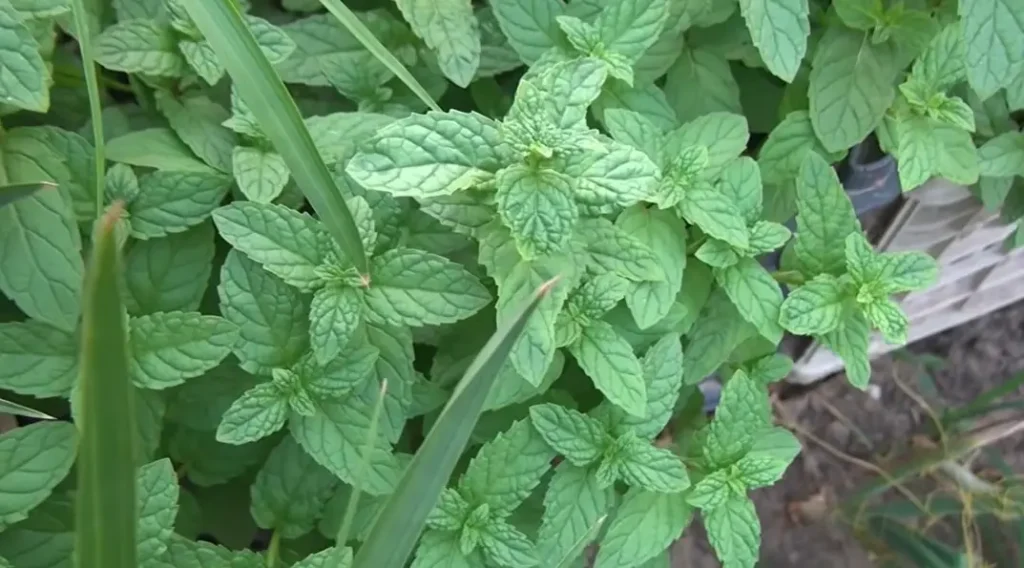
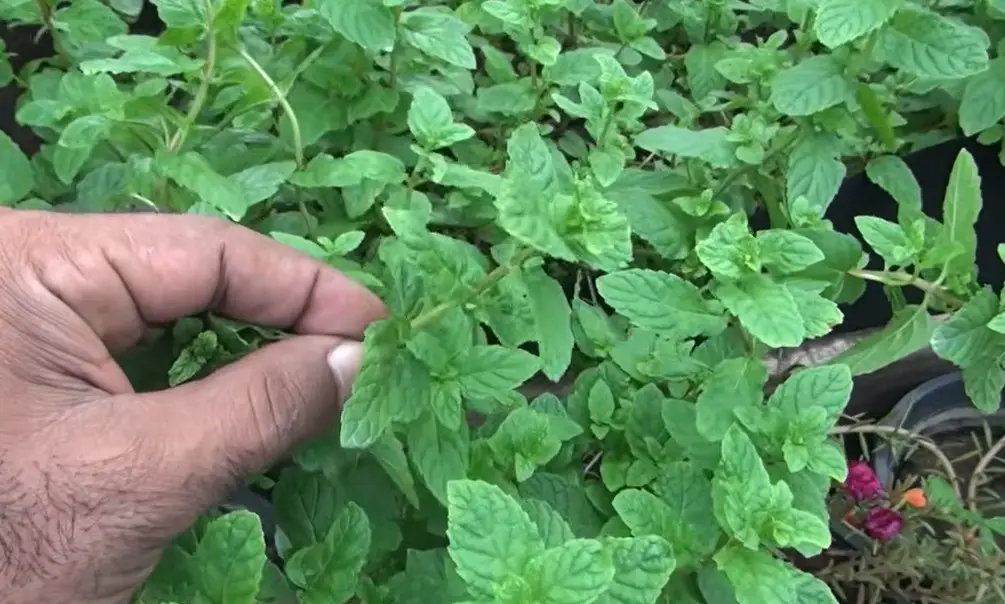
After preparing soft and fertile soil, make small holes using your fingers and insert 5 to 10 mint branches into the soil. Within one month, the plant spreads and fills the entire pot.
Method 3: Horizontal Branch Planting (Fast Growth Method)
The third method is simple and highly effective. Select a healthy green mint branch and avoid using brown or black stems. Remove all lower leaves and keep only the top two leaves.
Make a shallow line in the soil and place the branch horizontally, then cover it with soil while keeping the leafy part above the surface. This method allows better airflow and results in faster growth, stronger roots, and more branches compared to vertical planting.
Fertilizer and Care Tips
Mint requires nitrogen-based fertilizer for better growth. This helps increase the number of leaves and branches significantly.
After harvesting, mint grows back quickly and becomes ready for harvesting again within 7 to 10 days.
During winter, the plant should be kept in full sunlight. In summer, it should be placed in a shaded area where it receives only 1–2 hours of morning sunlight.
Pest Control and Maintenance
Mint plants may face attacks from caterpillars that eat the leaves. To protect the plant, neem oil spray can be used.
Additionally, washing the leaves with clean water every 3–4 days helps keep the plant healthy and free from pests.
Conclusion
Mint is a very easy plant to grow at home if the right soil, pot, and method are used. There are three main methods—hydroponics, direct planting, and horizontal branch planting—each with its own benefits.
By following proper care tips, you can grow fresh mint at home throughout most of the year and meet your daily needs easily.
FAQs
Q1: Can mint grow all year?
Yes, mint can grow all year except during extreme heat and extreme cold.
Q2: Which method is best for beginners?
The pot planting method (Method 2) is the easiest and most practical.
Q3: How often can mint be harvested?
Mint can be harvested every 7–10 days after regrowth.
Q4: What fertilizer is best for mint?
Nitrogen-based fertilizer is best for healthy leaves and branches.